

Understanding the Islamic Primary Leaving Examination (IPLE)
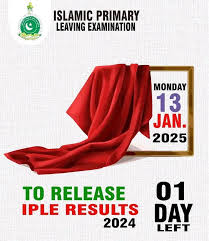
The Islamic Primary Leaving Examination (IPLE) is a significant milestone for pupils in Islamic-founded schools across Uganda. Established in 1998 by the Uganda Quran Schools’ Association (UQSA), this examination serves as the culmination of a dual-curriculum education system that integrates both Islamic theology and secular studies. The goal is to provide students with a well-rounded education that nurtures both their academic and spiritual growth.
The Purpose of IPLE
Unlike the conventional Primary Leaving Examination (PLE), which solely focuses on secular subjects, the IPLE ensures that pupils graduate with a strong foundation in Islamic theology alongside their academic studies. The curriculum is designed to equip students with skills that are both academically competitive and spiritually enriching, fostering an ideal balance between worldly knowledge and religious understanding.
By the time a pupil completes IPLE, they should:
- Have a strong foundation in Qur’an memorization and recitation.
- Understand Fiqh (Islamic jurisprudence) and the basics of Islamic law.
- Be proficient in Tarbiyah (Islamic morals and character development).
- Have a solid grasp of Lugha (Arabic language), enabling them to read and comprehend religious texts.
The Growth and Impact of IPLE in Uganda
Since its inception, the number of students sitting for IPLE has significantly increased, reflecting a growing interest in Islamic education. However, challenges such as COVID-19 disruptions led to a drop in candidate numbers in 2020. Despite this, the performance of students has improved over the years, with Qur’an studies consistently emerging as the best-performing subject.
Subjects Covered in IPLE
The Islamic theological curriculum covered in IPLE includes:
- Qur’an – Memorization and recitation, understanding the meaning of verses.
- Fiqh (Islamic Jurisprudence) – Islamic laws and principles governing daily life.
- Tarbiyah – Islamic morals, discipline, and personal development.
- Lugha (Arabic Language) – Reading, writing, and comprehension of Arabic texts.
These subjects aim to instill in students a deep understanding of Islam, preparing them to lead prayers, deliver sermons, and contribute positively to their communities.
Benefits of the Dual Curriculum
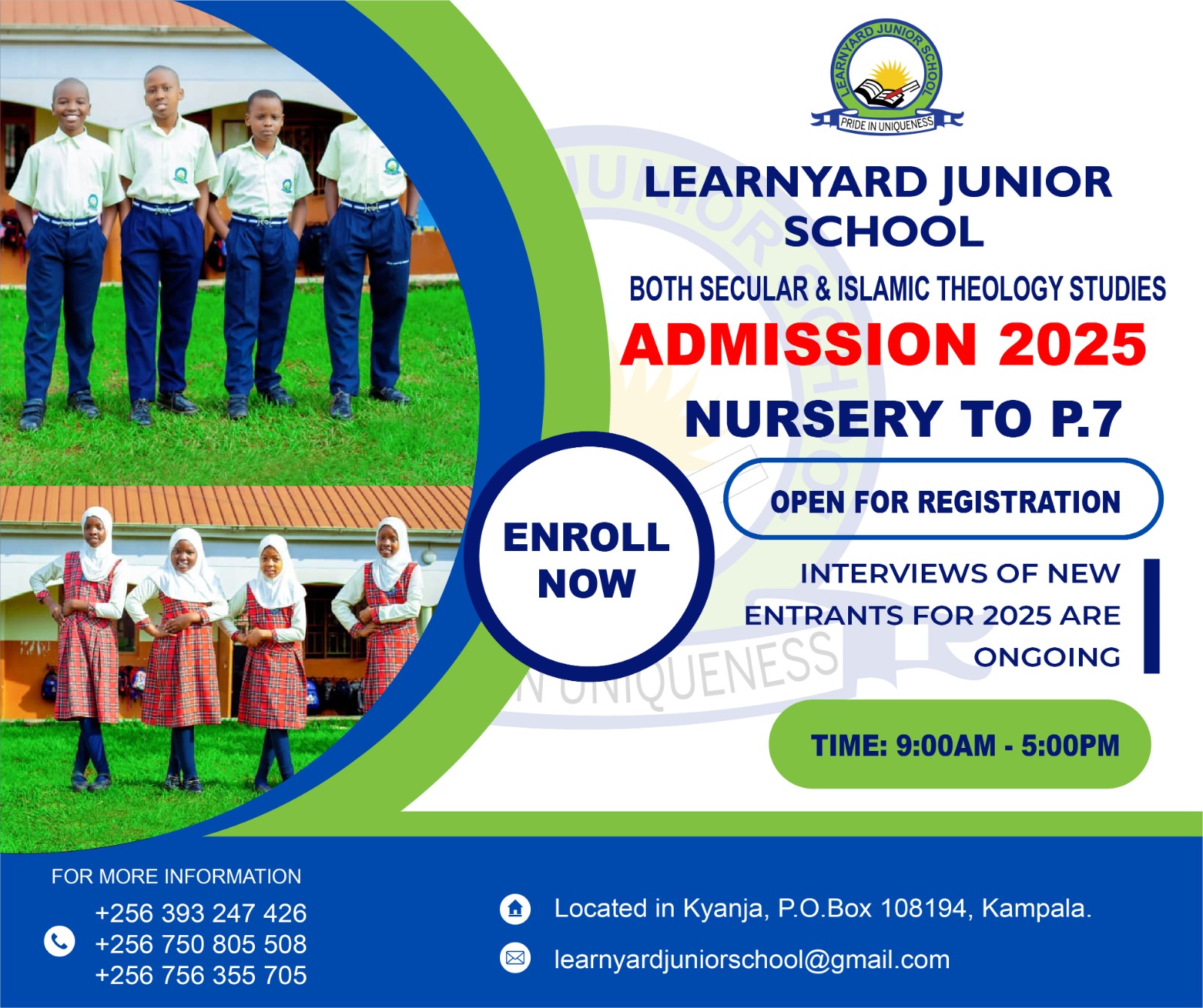
Many schools that offer IPLE also register their students for PLE, ensuring that they are well-prepared for both secular and religious opportunities. Studies show that schools running a dual curriculum tend to perform better in PLE than those offering only secular studies.
Students who excel in IPLE have a variety of educational paths to follow, including:
- Advanced Islamic studies at institutions like Bilal Islamic Institute, Buziga Islamic Theological Institute, and Bugema Islamic Institute.
- Further education at secondary level with a choice between continuing both secular and Islamic studies or specializing in one.
Challenges and Future Developments
While the IPLE system has seen significant success, some challenges remain, including:
- Limited resources in some schools to fully support both curricula.
- New students joining late, requiring them to catch up on theological subjects.
- Financial constraints, as running a dual-curriculum school is more expensive than single-curriculum schools.
To address these challenges, UQSA is working on integrating vocational training into the Islamic education system, enabling students to gain practical skills alongside their theological and secular knowledge.
Conclusion
The Islamic Primary Leaving Examination (IPLE) continues to play a crucial role in shaping the education of young Muslims in Uganda. It offers them the best of both worlds—strong academic knowledge and a deep understanding of Islamic teachings.
By choosing a school that offers IPLE, parents are ensuring that their children receive a well-rounded education that prepares them for both worldly success and spiritual fulfillment.

Leave a Reply